
Not All Water Is the Same: 3 Categories of Damage | A.S.A.P.
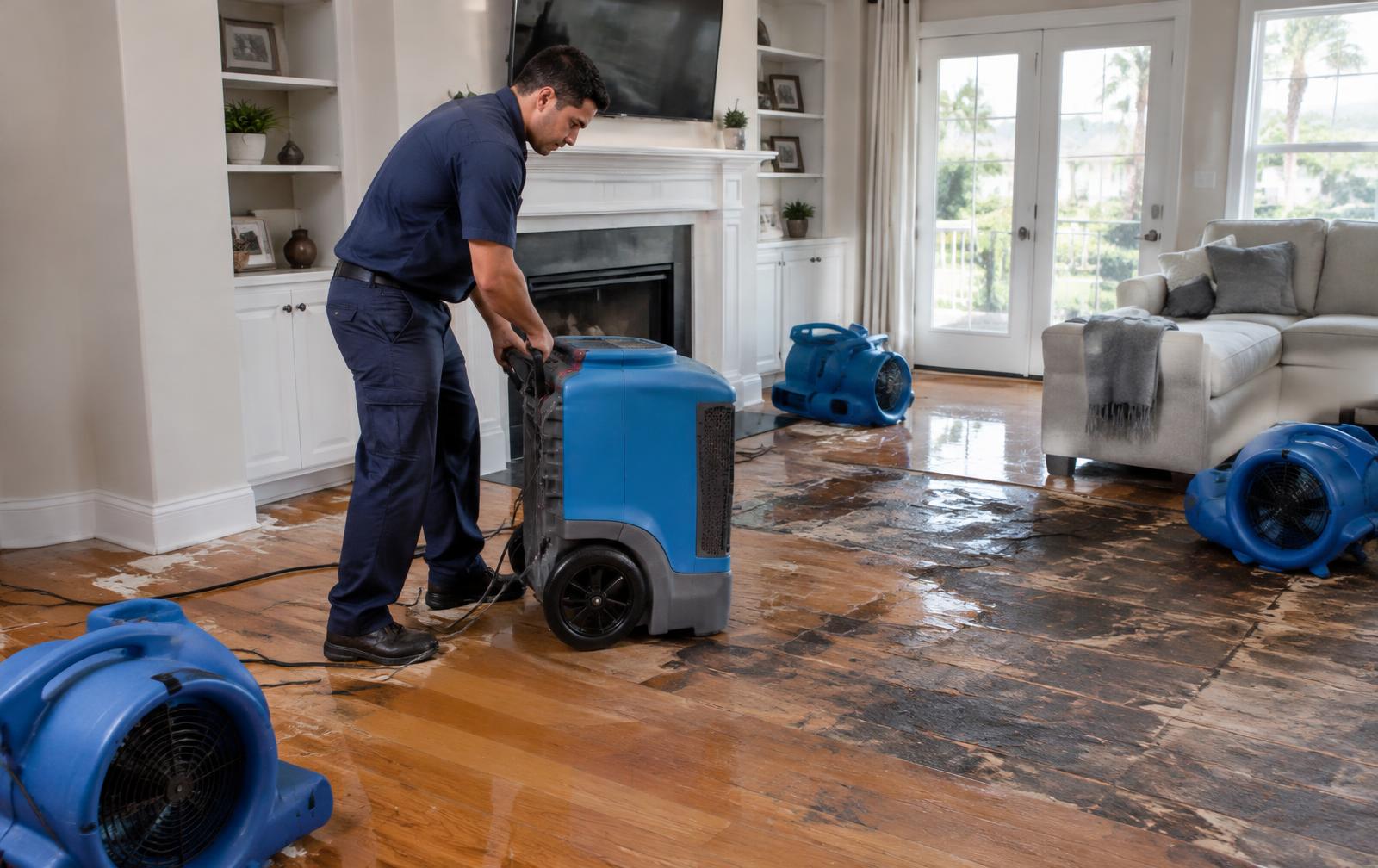
When most people think about water damage, they picture a single problem: water where it shouldn't be. But in the restoration industry, not all water is treated the same way, and the difference matters far more than most homeowners realize. The source of water determines its contamination level, the health risks it poses, and the specific protocols required to clean it up safely.
The IICRC, the certifying body for restoration professionals, classifies water damage into three categories based on contamination level: Category 1, Category 2, and Category 3. Understanding which category applies to your situation affects everything from the materials that can be saved to the personal protective equipment technicians must wear. Here's what every Los Angeles County homeowner should know.
Category 1: Clean Water
Category 1 water originates from a sanitary source and poses no substantial health risk at the time of the loss. Common examples include a burst supply line, a malfunctioning appliance water supply, overflow from a sink with no contaminants, or rainwater entering through a roof leak. While this water starts out clean, it's important to understand that Category 1 water can degrade into Category 2 or even Category 3 if it sits for too long, interacts with building materials, or isn't addressed quickly. Time, temperature, and contact with contaminated surfaces all accelerate this degradation.
Category 2: Gray Water
Category 2 water, often called "gray water," contains a significant degree of chemical, biological, or physical contamination and can cause discomfort or illness if people are exposed to it. Common sources include washing machine overflow, dishwasher discharge, toilet overflow with urine but no feces, and water that has traveled through or sat on surfaces like carpet. This category requires more extensive precautions, including disposal of certain porous materials and the use of personal protective equipment by technicians, along with antimicrobial treatment of affected surfaces.
Category 3: Black Water
Category 3 water is grossly contaminated and can contain pathogenic, toxigenic, or otherwise harmful agents. This includes sewage backups, flooding from rivers or streams, water that has carried silt and organic matter into a structure, and any water that has been standing long enough to support significant microbial growth. Category 3 water is the most serious classification and requires full personal protective equipment, extensive containment procedures, and the disposal of most porous materials that came into contact with the water, including carpet, carpet padding, and in many cases, drywall.
Why This Classification Changes the Entire Response
- Materials that can be dried and saved in a Category 1 loss often must be removed and discarded in a Category 2 or 3 loss
- Technicians working in Category 2 and 3 environments require respirators, gloves, and protective suits to prevent exposure
- Category 3 losses require containment barriers to prevent cross-contamination to unaffected areas of the home
- Antimicrobial application and more extensive drying verification are standard for Category 2 and 3 losses
- Insurance documentation often needs to specify the water category, since it directly affects the scope and cost of covered repairs
Why You Should Never Guess the Category Yourself
Water that looks clean on the surface can still be Category 2 or 3 depending on its source and how long it's been present. Floodwater, for example, is always treated as Category 3 regardless of its appearance, because it has typically traveled across ground contaminated with bacteria, chemicals, and debris. Misjudging the category can lead to inadequate cleanup, lingering contamination, and health risks for your family.
This is exactly why professional assessment matters. Our IICRC-certified technicians are trained to correctly classify water damage on-site and respond with the appropriate protocols — not a one-size-fits-all approach. A.S.A.P. Restoration & Remodeling has handled every category of water damage across more than 7,500 jobs throughout Los Angeles County, and we're licensed, bonded, and fully insured (CSLB #1035696). Whether you're dealing with a clean supply line break or a sewage backup, call 877-403-ASAP (877-403-2727) for a free estimate — we're available 24/7/365 with our own crews and equipment, and we handle both restoration and reconstruction under one roof.